What does a hydrologist do?
A hydrologist studies water – how it moves, where it comes from, how much is available, and how it is impacted by human activity and climate change. Hydrologists help ensure that water supplies are secure, sustainable and well managed for both people and the environment. Hydrology sits at the intersection of science, engineering, and environmental management.
Hydrologists have opportunities to use their skills in huge range of roles, with international opportunities across research, industry, charity and government sectors, including:
The Prospects website provides a job profile for a hydrologist, including responsibilities, skills, work experience, employers and professional development pathways: Hydrologist | Prospects.ac.uk
Examples of the types of roles, organisations, activities and responsibilities of a hydrologist
Water Resources Planning and Demand Forecasting
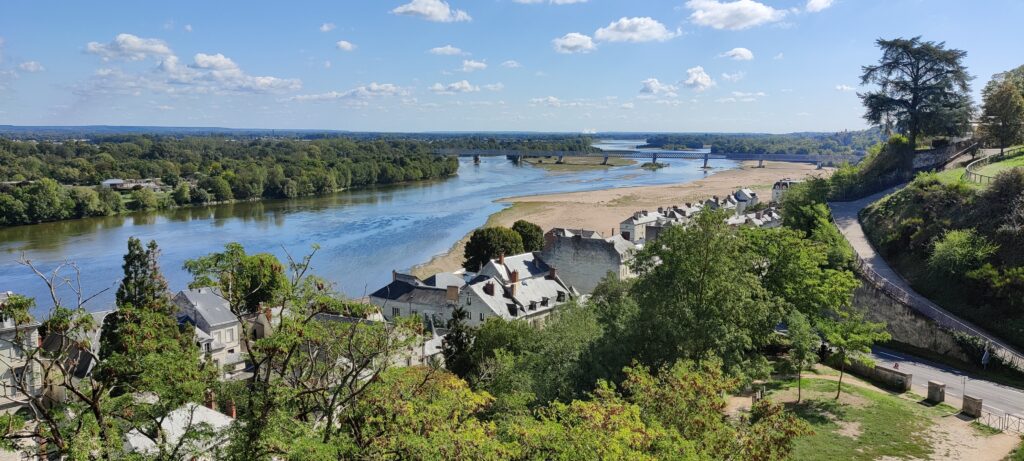
Hydrologists play a key role in ensuring that water supply systems remain reliable, sustainable and resilient. In the UK, professionals with hydrological expertise often work for water companies or environmental regulators such as the Environment Agency, Scottish Environment Protection Agency or the Rivers Agency, contributing to water resources planning and demand forecasting activities.
Hydrologists in these roles support long-term water resources planning, optimise system performance and help ensure that water supplies are managed effectively for both public use and environmental protection. As a water resources planner or demand forecaster, you may:
- Determine the deployable output (yield) of existing surface water and groundwater sources.
- Assess environmental water requirements
- Assess the risks associated with system outages or component failures within the water supply network.
- Evaluate how climate change could affect both water availability and patterns of demand.
- Scope, plan and review investigations for proposed water resource developments, and compare the relative costs and benefits of different scheme options (e.g. within the Asset Management Plan cycle).
- Provide advice on network and treatment works upgrades aimed at improving supply resilience and reducing leakage.
Typical day-to-day responsibilities include:
- Developing, maintaining and agreeing operational control rules for water resource systems, including conjunctive use of sources and river regulation.
- Monitoring abstraction and water use to ensure compliance with licences, regulatory requirements and operational guidelines.
- Collating, reviewing and interpreting data on domestic, industrial and agricultural water consumption.
- Planning and coordinating drought management actions, covering preparedness, operational response and post-event review.
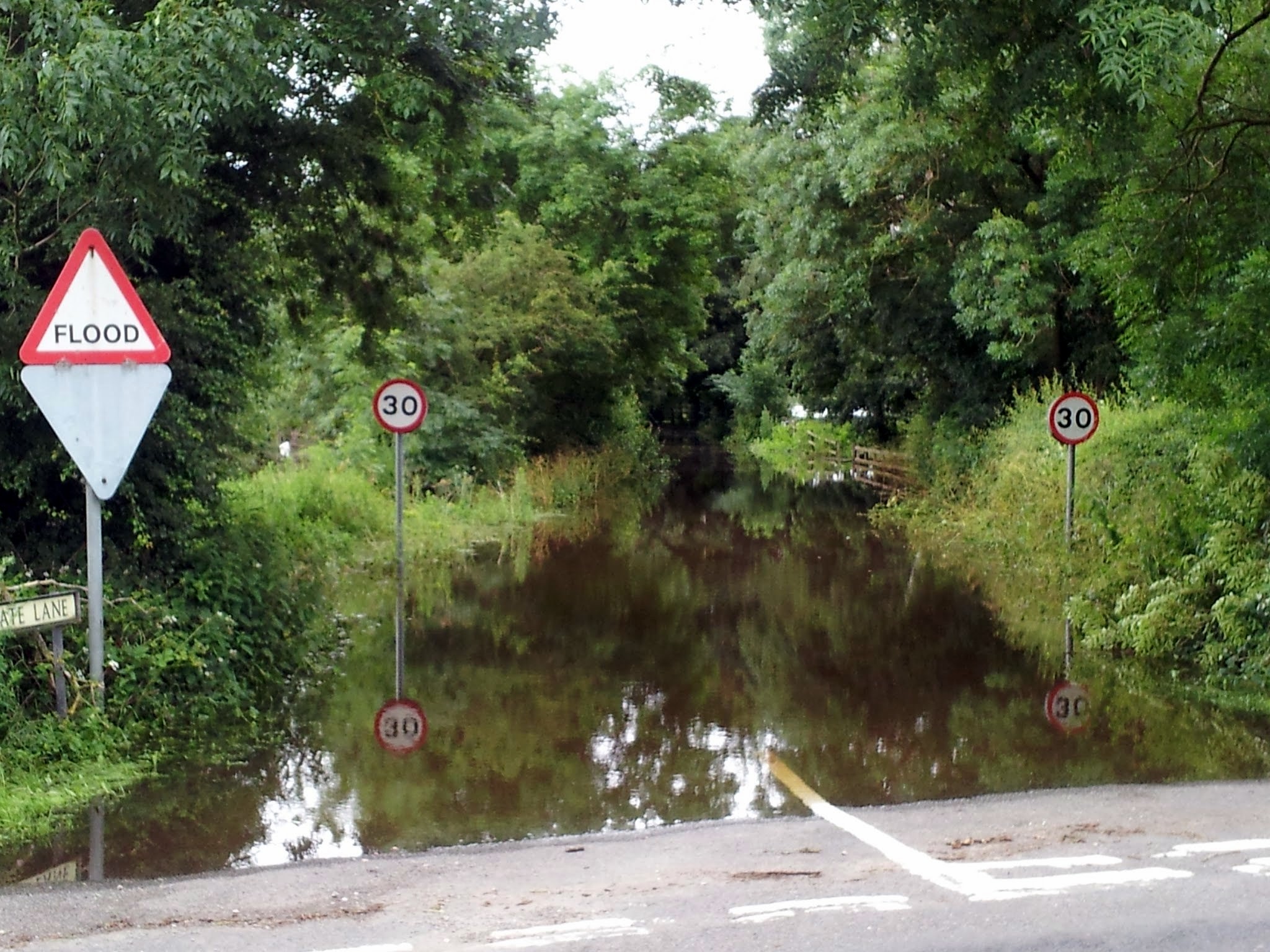
Flood Forecasting, Flood Warning and Flood Defence
The hydrological skills of, for example, Environment Agency flood warning officers and flood defence engineers are utilised in planning and agreeing actions to be taken before, during and after a flood – these actions may feed into major incident plans managed by local authorities for key urban areas.
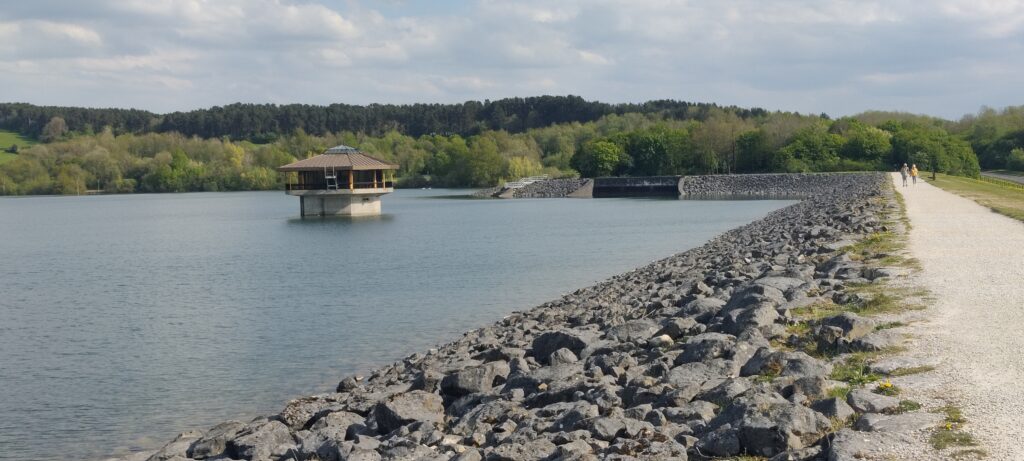
Hydrologists who specialise in flood forecasting often work with real-time models of river systems, linked to weather radar and/or telemetered rain gauges and river gauges. Such models are often used to issue short-term flood warnings to communities in affected areas; the models can also be used operationally to determine policies for releasing water from regulating reservoirs. In these circumstances, hydrologists are responsible for monitoring hydrometric information and issuing flood warnings to the public, emergency services and businesses as the need arises. Their role requires rapid expert judgement, a sound knowledge of local hydrological regimes and an appreciation of historical trends or observed responses within a given catchment.
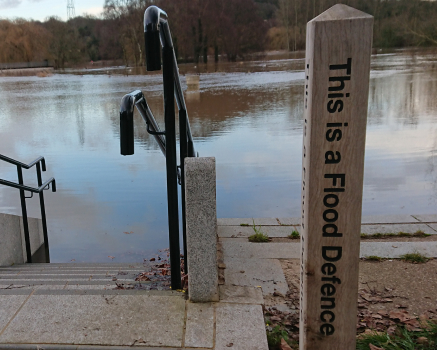
Flood defence engineers become involved in the ‘operations’ side of managing a flooding incident, in terms of acting on issued warnings and instigating mitigation measures or assisting with evacuation ‘on the ground’. In this type of role, you would be expected to interact with local authorities, the public and emergency services, and perhaps provide statements to the media on the flooding situation. It may be your responsibility to co-ordinate the activities of teams working to alleviate flooding problems in disparate parts of a catchment. On a day-to-day basis flood defence engineers play a significant role in the implementation of improvements to flood defence assets (e.g. embankments, diversion channels and flood storage areas). They also act as a link with local flood defence committees.
In all cases, the hydrologist who plays a part in predicting or managing a flood event, is keen to learn lessons that will help to improve understanding and reactions should the situation recur. The data collected and analysed by hydrologists during and after a flood can help to improve predictive models and influence emergency planning. It can also be used to enhance public awareness of flood risk and promote self-help activities
Hydrometry
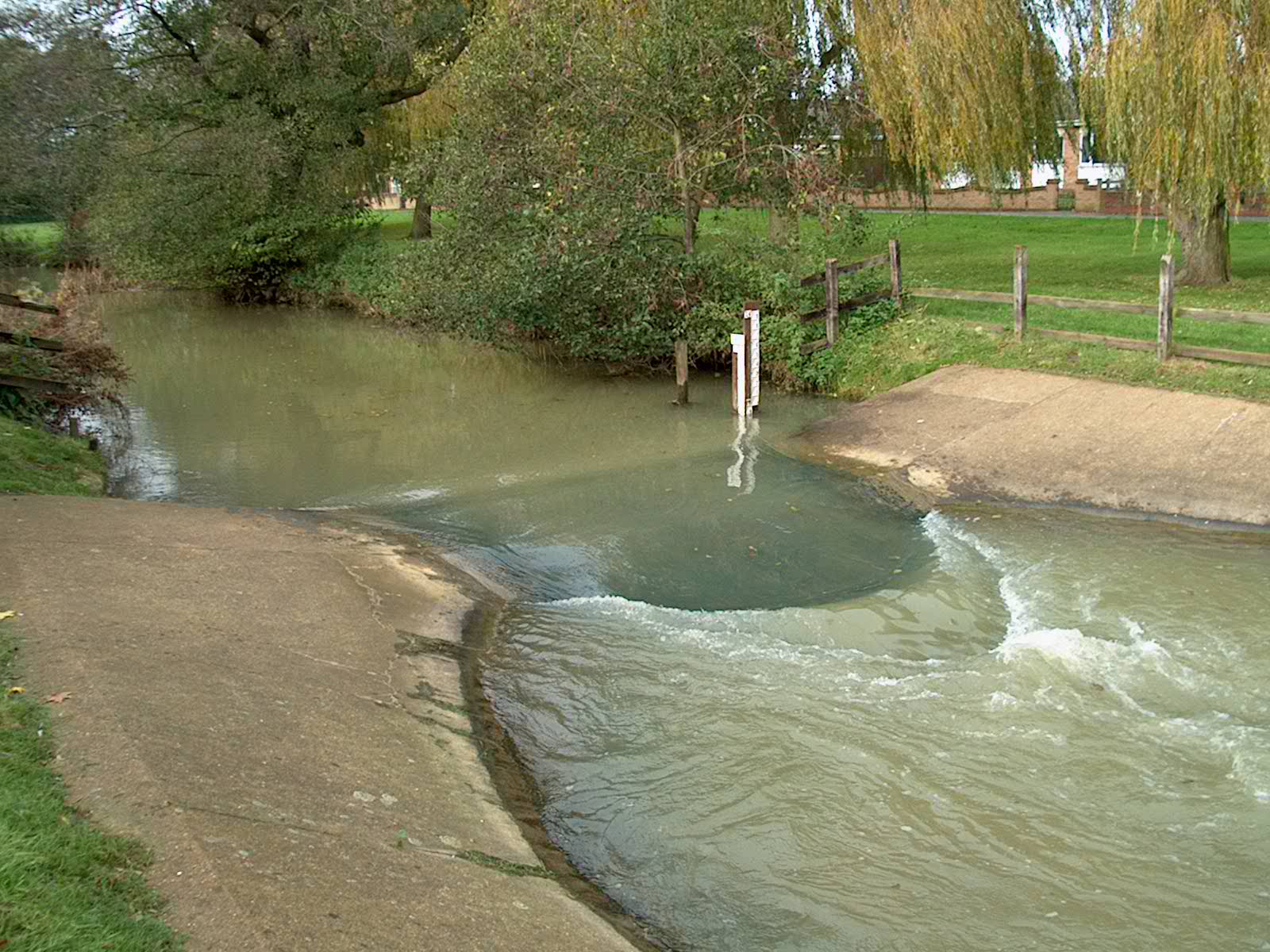
Most hydrological investigations rely on observed hydrometric data. Depending on the level of the investigation (e.g. strategic, pre-feasibility or full ‘design and build’ standard), the underlying data requirements and the need for accurate records can be significant. As a field hydrologist you play a direct role in the provision of high-quality datasets used within, for example, monitoring the environment and hydrological modelling.
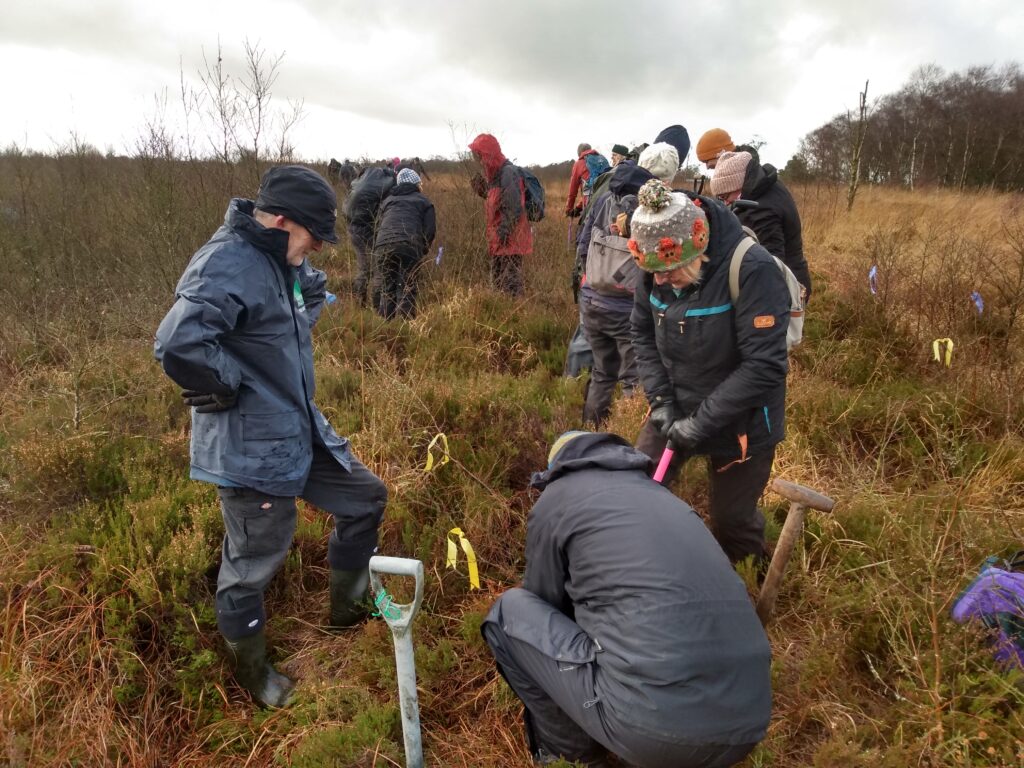
Typical tasks undertaken in the field by hydrologists working for or on behalf of the Environment Agency, Natural Resources Wales, the Scottish Environment Protection Agency or the Rivers Agency include:
Typical day-to-day responsibilities include:
- Inspection and maintenance of existing gauging structures and measuring devices for surface water, groundwater, rainfall and climatic variables;
- Reviewing the need for (and potential locations of) new gauging structures or devices; supervising the installation of new measuring equipment;
- Calibration of hydrometric instruments (e.g. water level recorders);
- Retrieval and quality control of hydrometric data.
When necessary (usually during a major flood event), you may be asked to undertake current-meter gaugings to assist the development, extrapolation and verification of rating curves (stage-discharge relationships) at significant locations within a catchment.
You may also visit sites during and after flood events to monitor peak levels, flood extents and property damage (see also Flood Forecasting, Flood Warning and Flood Defence).
UK Consultancy
UK-based consultant hydrologist, working either independently or for a consultancy firm needs to be flexible, mobile and accustomed to a diverse workload. Depending on the project, you may be working alone or as part of a large multi-disciplinary team. As well as technical input, you may be called upon to work on site or on secondment to a client’s office.
It is important that you develop an ability to exercise clear hydrological judgement, a willingness to explore different avenues in the quest for reliable data and a flare for effective communication.
In this varied role you can gain technical expertise in the following areas:
- Low flow investigations to deliver the water industry national environment programme (WINEP) for England, habitat restoration schemes or in connection with environmental permits for discharges to rivers and groundwater and water quality issues;
- Basin level studies (e.g. Catchment Flood Management Plans) aimed at finding strategic and sustainable solutions to current flooding problems, whilst also managing the risk of potential flooding in the future;
- Flood risk assessments for private developers or local authorities – as part of the development control process or during urban drainage/sewerage network design;
- Reservoir safety work, usually involving an estimation of the probable maximum flood for the subject catchment.
Input into the design and construction of hydrometric gauging stations will present you with fieldwork opportunities and involve liaison with contractors, landowners and the responsible environmental agency.
There is also scope for you to link hydrological modelling with hydraulic modelling (e.g. during flood risk mapping work for the Environment Agency) to assess the impact of design floods at key locations and to provide an indication of the spatial extent of a flood with a given probability of occurrence in any one year.
Your skills may be utilised during technical and project management support to the Environment Agency in its role as auditor of water companies’ Water Resources Plans; or in evaluating the economic, social and environmental costs and benefits of potential water resources options or flood defence schemes.
International Consultancy
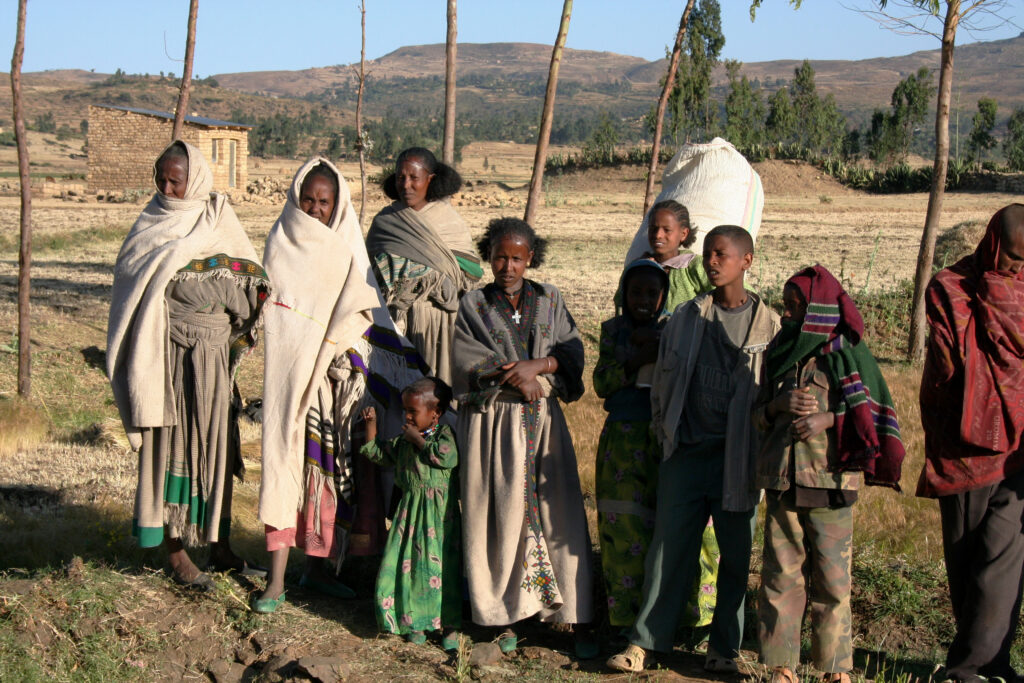
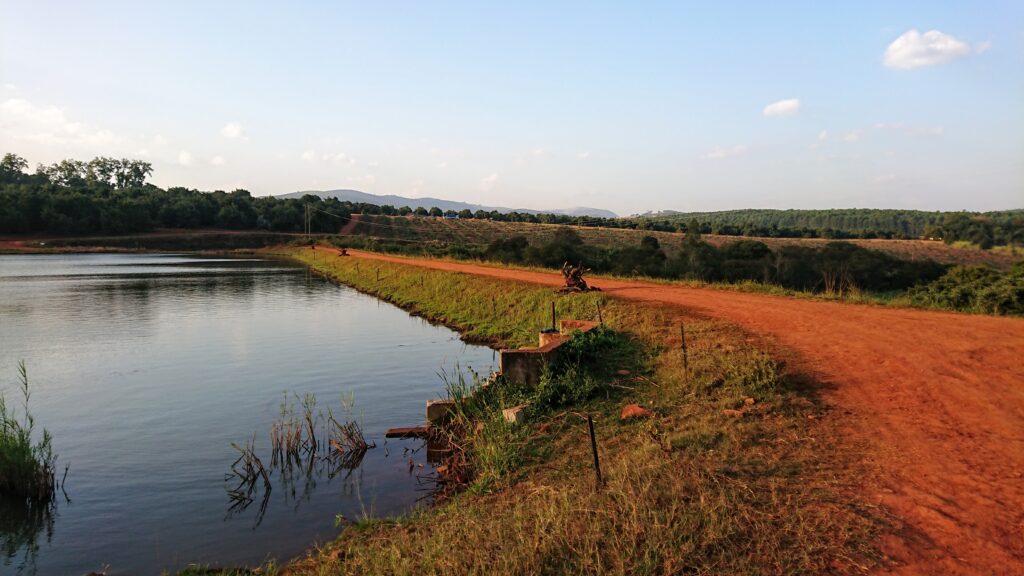
For those with an interest in seeing other countries and ways of life whilst broadening their hydrological experience, overseas hydrology is an exciting opportunity. The humid tropics, arid deserts, steppes and regions snow-bound half the year have very different critical hydrological regimes. It sometimes means being prepared to go back to hydrological basics, foregoing user- friendly manuals and UK methodologies, often dealing with limited or short-term datasets and, in many cases, plunging into entirely different hydrological environments.
As an overseas hydrologist working for an international consultancy firm (or as an independent consultant) you will need to be confident, resourceful and able to tackle all aspects of hydrology – from appraising gauging stations, data quality and locally derived methodologies to defining regional characteristics and demonstrating the impact of potential water resource schemes.
Usually, a significant degree of training of counterparts will be involved and here the ability to pick up local languages will be a distinct advantage. Being a local presence with a perceived expertise, you can expect to be called upon during emergencies (see also International Development and Emergency Relief) – e.g. floods, droughts, crop failures or pollution spills.
An open mind is essential, together with diplomacy and respect for local methods developed through experience or rules of thumb. Though such an approach may seem unscientific or far removed from ‘textbook’ methods in use in the UK, it can be important to take note of local expertise and utilise it, wherever possible, in the eventual solution to a particular issue.
As the world becomes more hydrologically aware, there is great scope for practising your hydrological skills at the high-tech end of the spectrum or at a more basic level. The former may involve developing leading-edge modelling techniques for the management of extensive river basins, whilst the latter may evoke pragmatic measures to enable communities to withstand monsoon or snow seasons, the occasional power or water supply disruption, and even the possibility of political upheaval.
Education, Research and Development
For those hydrologists who continue in academia, opportunities exist in the form of college or university lectureships (e.g. within Civil and Environmental Engineering, Geography or Earth Sciences departments) and, in the UK, as part of research teams based at specialist establishments such as the UK Centre for Ecology and Hydrology (UKCEH), the Meteorological Office, Flood Hazard Research Centre (FHRC) or the Tyndall Centre for Climate Change Research.
Collaborative working, both in the UK and overseas, is a key feature of the research hydrologist’s career. In choosing this route, you would be expected to share knowledge and ideas amongst your colleagues and, as appropriate, with external organisations. Your advice/opinions might be sought when key decisions need to be made (e.g. at local or national government level) or when an innovative solution to a long-standing problem needs to be found.
Hydrologists employed by educational and research establishments often work with representatives from government departments, consultancy firms and industrial or commercial companies worldwide. They are challenged with extending the boundaries of the current level of understanding of hydrological processes and taking the lead in providing new or updated methodologies, modelling techniques and tools with which other hydrologists should work. Most hydrologists entering this field of employment will have an appropriate postgraduate degree.
International Development and Emergency Relief
As a hydrologist, you can gain experience in water engineering including such topics as: water quality sampling, designing small water distribution systems, designing rainfall harvesting schemes and siting shallow wells for local communities. These skills are very valuable when working in developing countries or during emergency relief work.
Hydrologists with these (and other) appropriate skills can make effective water supply and sanitation engineers – referred to as ‘Watsans’ by NGOs (Non-Governmental Organisations) – when emergency relief is required and, particularly, during longer term development projects (see also International Consultancy).
Organisations such as RedR (Registered Engineers for Disaster Relief) have a number of members with hydrological backgrounds who undertake international aid assignments. For further information see the RedR website at: www.redr.org